Why Sealcoating Timing Matters
If you’re unsure about what sealcoating is or wondering how often to seal an asphalt driveway, you’re in the right place.
Sealcoating is a preventive maintenance method designed to protect asphalt from everyday wear caused by moisture, chemicals, and the sun. When you schedule sealcoating is just as important as the application process. When applied at the right time, it can significantly slow surface deterioration and extend surface lifespan.
In this guide, we define sealcoating and explain how to identify signs that it may be time for sealcoating, underscoring the importance of hiring a professional, such as Asphalt Seal & Repair.
What Is Driveway Sealcoating?
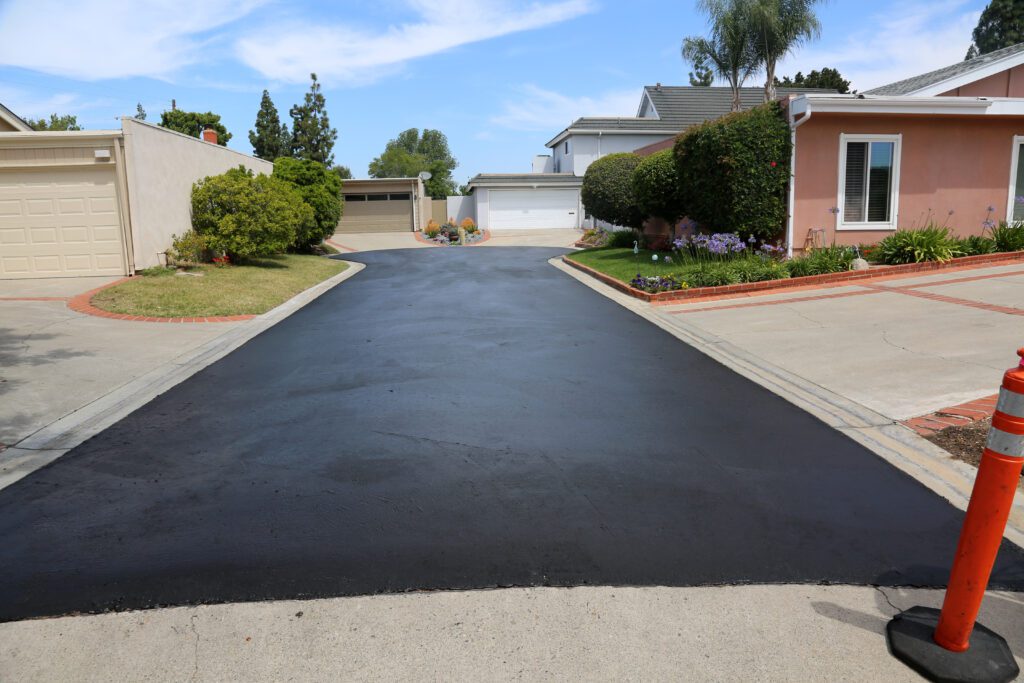
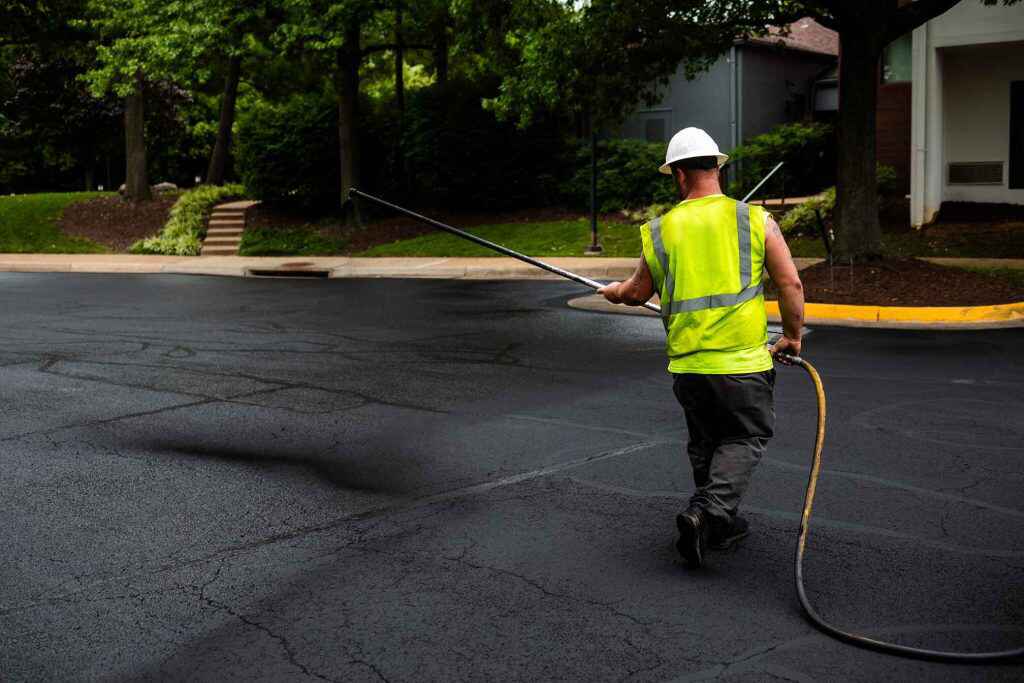
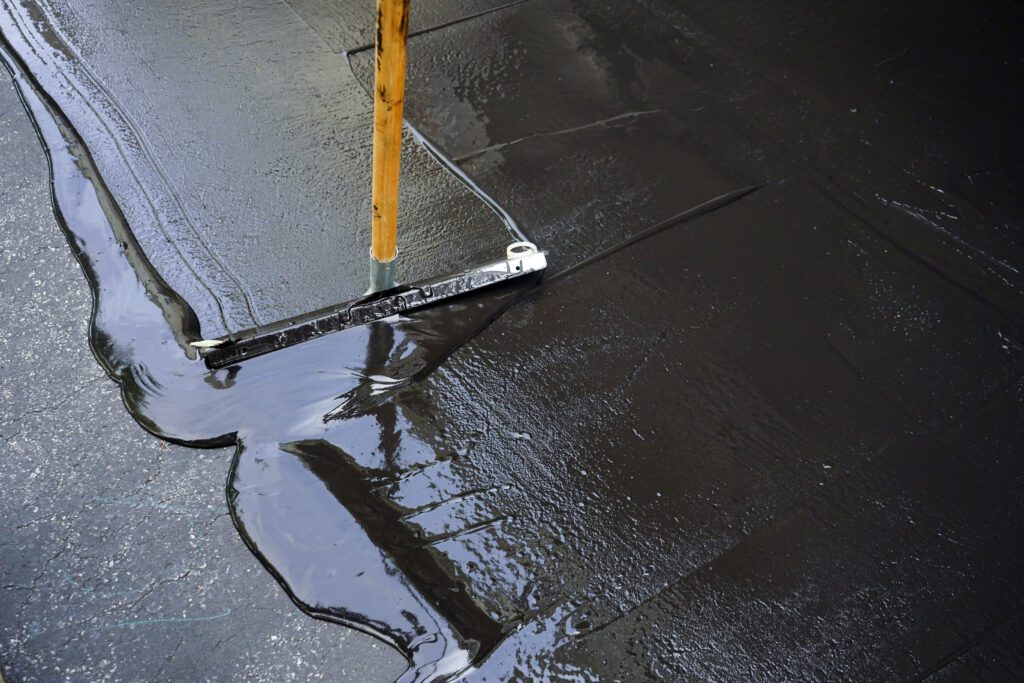
Driveway sealcoating is the process of applying a protective sealant to the surface of asphalt. This sealant forms a barrier that helps protect the pavement against environmental damage and daily wear and tear. While sealcoating improves appearance, its primary purpose is protection.
Sealcoating helps asphalt by:
- Shielding the surface from moisture penetration
- Blocking harmful UV rays that cause oxidation
- Protecting against oil, gas, and chemical spills
- Slowing surface wear from traffic and weather
Over time, unprotected asphalt oxidizes. As the binders within the asphalt break down, the surface becomes dry, brittle, and more prone to cracking. Sealcoating slows this process and helps asphalt retain its flexibility.
How Often Should a Driveway Be Sealcoated?
One of the most common questions we get is, “How often do you need to seal an asphalt driveway?” For most residential driveways, you should hire a professional sealcoating company every four to five years.
That said, several factors can influence how often sealcoating is needed on your property:
- Climate and weather exposure – Climate plays a major role, as harsh winters, freeze-thaw cycles, and prolonged sun exposure can accelerate surface wear.
- Traffic volume and weight – Driveways that experience heavier traffic or frequent parking in the same areas may also require sealcoating more often.
- Quality of previous sealcoat applications – Poor-quality applications may wear prematurely and provide subpar protection.
Sealing too frequently, such as every year, can actually backfire and lead to buildup, peeling, or uneven curing.
5 Signs It’s Time to Sealcoat Your Driveway
Recognizing early warning signs can help you protect your investment before surface damage becomes costly. The following indicators suggest when and how often to seal your asphalt driveway:
1. Fading or Graying Asphalt
Fresh asphalt has a rich, dark appearance. As oxidation sets in, that color fades to gray. This change occurs when sunlight and air break down the asphalt binders. Fading is often one of the earliest signs that the surface is losing its protective properties and needs to be sealcoated.
2. Small Surface Cracks Forming
Hairline cracks on the surface indicate early-stage deterioration. These cracks aren’t the same as structural failures and often occur due to temperature changes and moisture exposure. When addressed early, sealcoating can help slow their progression.
3. Rough or Brittle Texture
As asphalt ages, it loses flexibility. The surface may feel rough rather than smooth, indicating that the binders are drying out. A brittle surface is more likely to crack under pressure or temperature changes, but sealcoating helps slow further breakdown.
4. Water No Longer Beads on the Surface
Healthy asphalt naturally repels water. If you notice that water no longer beads up on the surface, it’s a sign that the protective seal has worn away. Moisture infiltration can lead to cracking and base damage. Sealcoating helps restore the surface barrier, keeping water out and protecting your asphalt.
5. Oil and Fluid Stains Are Setting In
Vehicle fluids gradually soften asphalt and accelerate deterioration. When stains become noticeable and difficult to clean, it means the surface is absorbing contaminants rather than resisting them. Sealcoating adds a protective barrier that helps reduce staining and surface damage.
When Sealcoating Is Not Enough
Sealcoating is an effective way to protect asphalt, but it can’t fix every issue. In some cases, applying a sealant alone will not address the underlying problems and may even conceal more significant damage. For example, sealcoating is not recommended when a driveway shows signs of deep or widespread cracking.
Cracks that extend through multiple layers of asphalt often indicate structural weakness below the surface. Potholes and alligator cracking are also red flags. These conditions typically suggest base failure, drainage problems, or neglect. In these cases, professional asphalt repairs may be required before any sealcoating is considered.
Homeowners searching for asphalt driveway repairs in Green Bay benefit from having the surface evaluated by an experienced contractor. A proper assessment ensures the right solution is applied instead of wasting money on ineffective methods.
Best Time of Year to Sealcoat a Driveway
Timing is everything when it comes to sealcoating. The best conditions allow the material to cure properly and bond to the asphalt surface. Late spring through early fall is generally the ideal window for sealcoating in most regions.
Sealcoating performs best when temperatures remain consistently above 50 degrees, and rain is not expected. Warm, dry weather allows the sealant to cure evenly and achieve maximum durability. High humidity, cold temperatures, or sudden rainfall can interfere with curing and reduce effectiveness.
Applying sealcoating under poor conditions increases the risk of streaking, peeling, or premature wear. Schedule your service during favorable weather to protect the investment and ensure long-lasting results.
How Choosing the Right Contractor Protects Your Driveway
When it’s time to seal your asphalt driveway, be sure to look for contractors with proven experience in residential asphalt. This includes:
- A track record of positive reviews
- Transparent maintenance recommendations
- A portfolio of successful work
- Setting realistic sealcoating schedules
Contractors who oversell frequent sealcoating or skip inspections may prioritize short-term sales over long-term pavement health.
We encourage you to review Asphalt Seal & Repair’s background and approach. Our experience and values help homeowners feel confident in their choice.
Protect Your Driveway Before Damage Starts
Knowing when and how often to seal an asphalt driveway allows you to take action before minor issues escalate. Applying sealcoating at the right time helps maintain flexibility, protects against environmental damage, and keeps a clean, polished appearance.
And don’t forget that proactive maintenance is far more cost-effective than dealing with frequent or premature repairs. By choosing the right sealcoating professional and acting early, you can extend your driveway’s life and avoid unnecessary repairs.
Ready to get started?